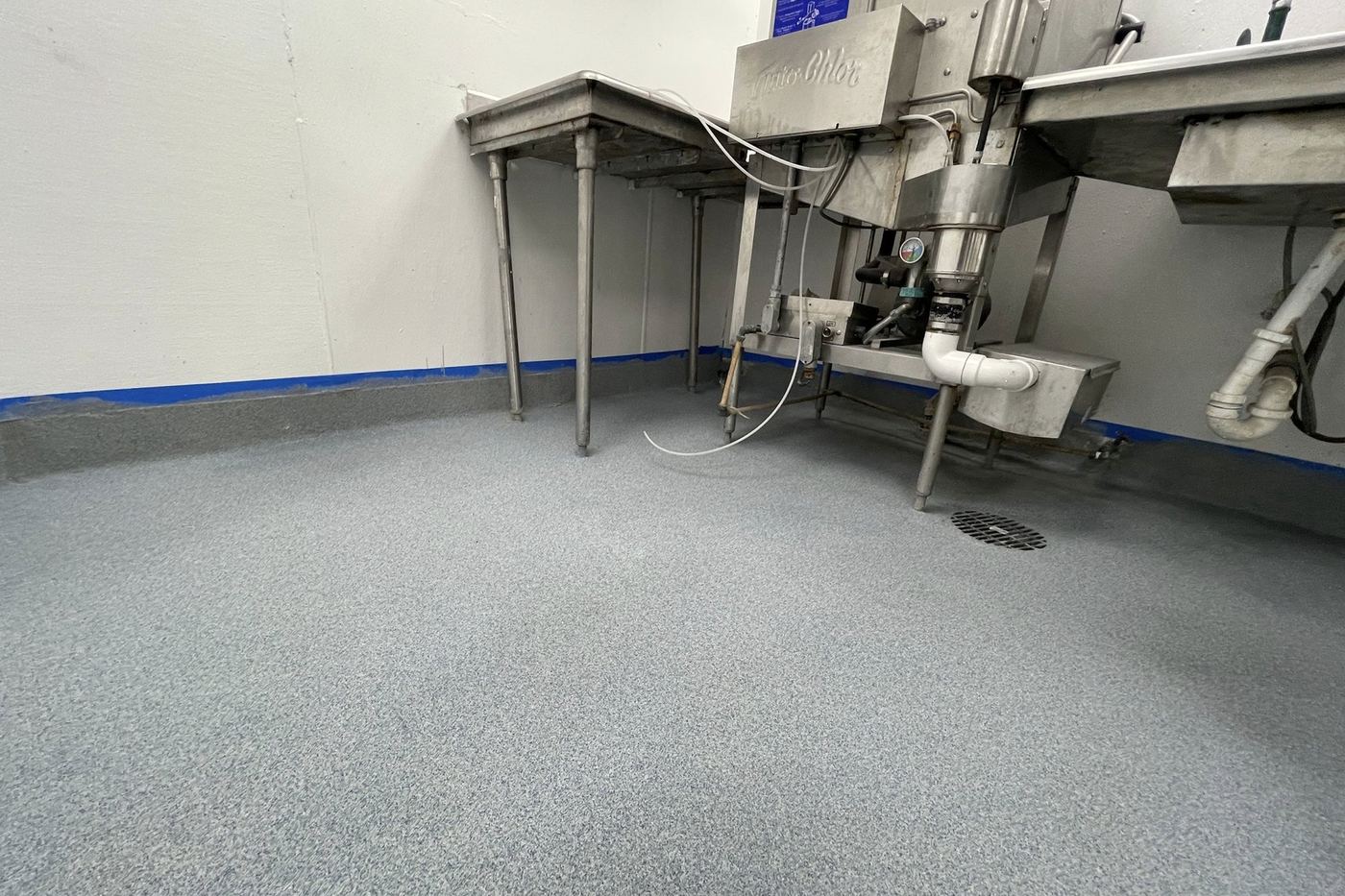
Kitchen floors for Ocala restaurants and food businesses
Ocala Epoxy Professionals coats floors in restaurant kitchens, food prep rooms, walk-in areas, bars and dining rooms around Ocala and Marion County. Call to talk it through, or send the basics and someone will walk the kitchen before quoting.
Restaurant and kitchen floors: example floors
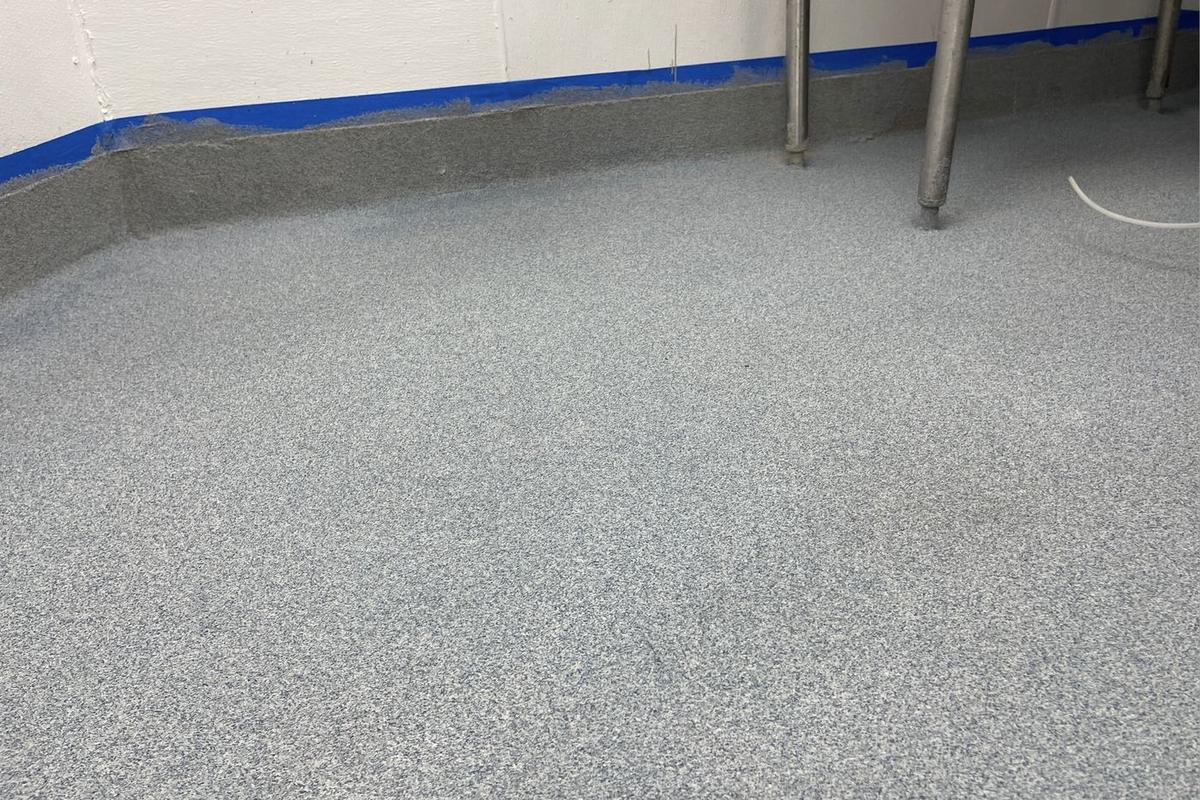
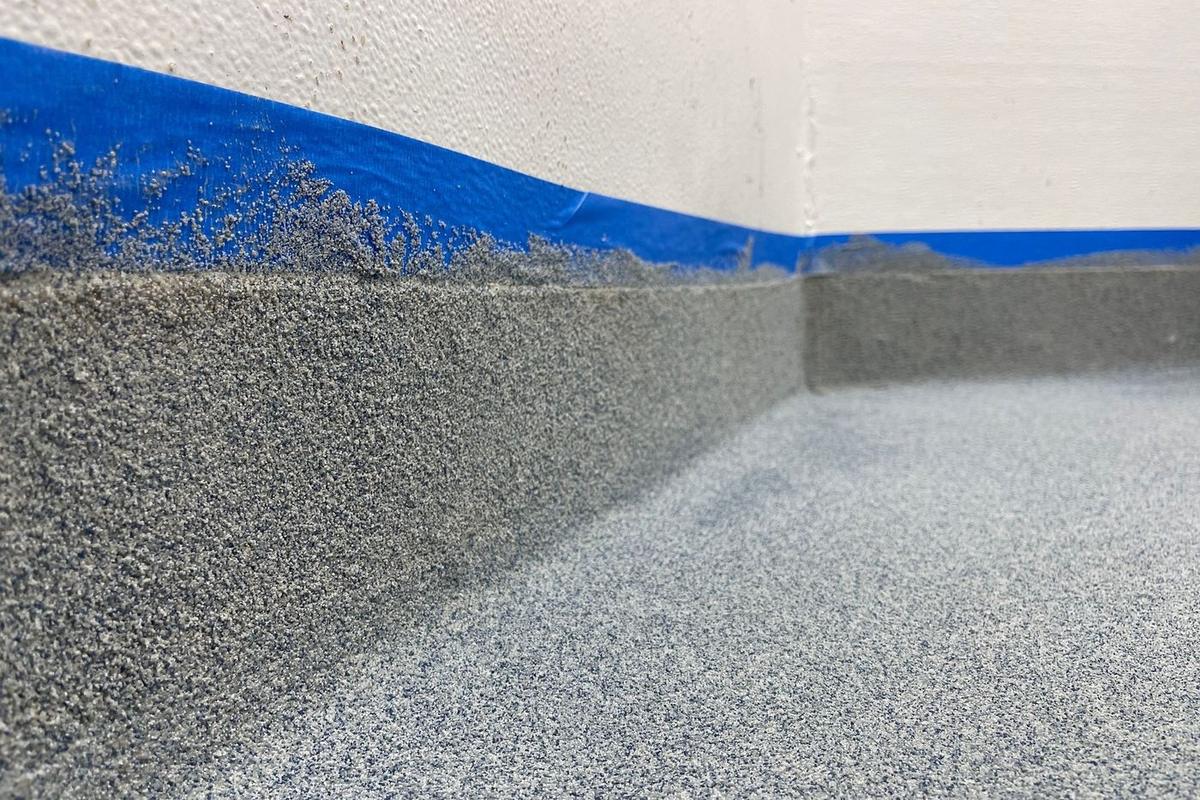
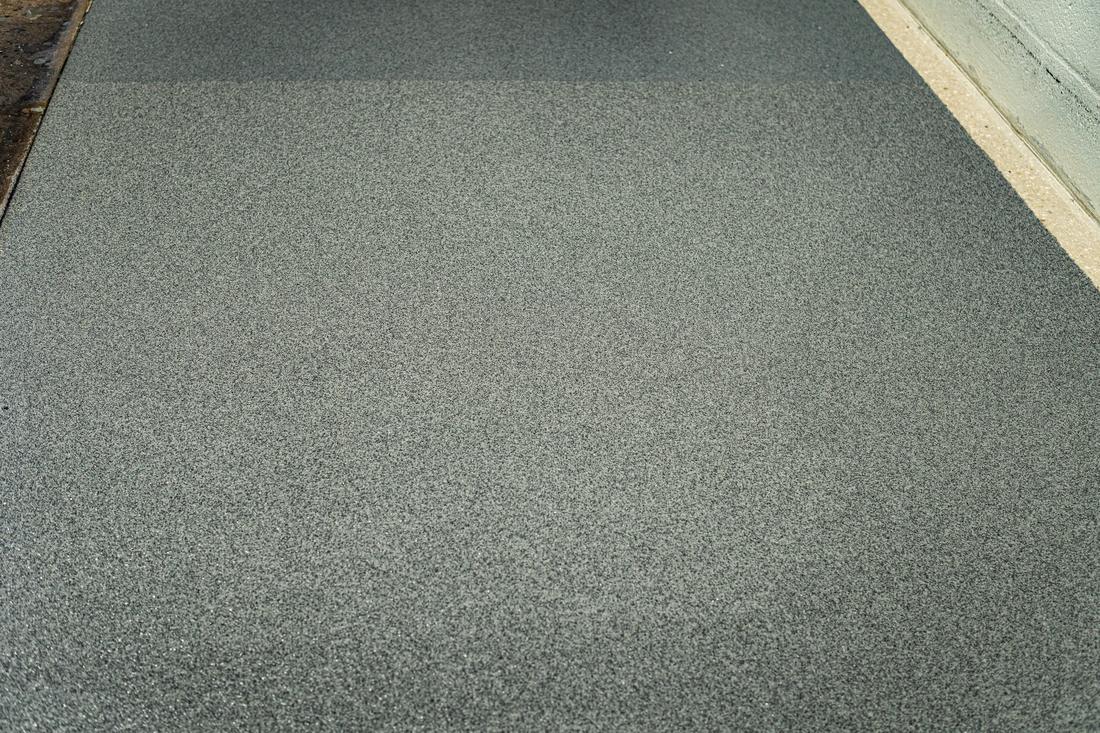
Example photos of finished commercial floors, shown for the look. Not photos of a specific Ocala Epoxy Professionals job. Ask for photos of comparable work on the walkthrough.
What matters on a kitchen floor?
Grip when the floor is wet or greasy, a surface that takes hot water and sanitizers, coved edges and drains that work.
Grout lines in tile trap grease and water. A seamless coated floor with a coved base, where the floor curves up the wall, leaves fewer places for dirt to hide and is easier to wash down.
Grip
Textured quartz or grit where water, oil and flour reach the floor.
Hot water and cleaners
A system chosen for daily washdowns and sanitizers.
Coved base
The floor curves up the wall so there is no corner seam to clean.
Drains
Coating sealed at drain edges and sloped so water runs off.
How is a kitchen done without losing service days?
By planning around closed days, overnight work or one section at a time, with the cure time set on the walkthrough.
Equipment needs to move and the floor needs to cure before it is used. Tell the crew your hours and slowest days early so the work can be lined up with them.
Closed days
Many kitchens use their quietest days or a short closure.
Moving equipment
Plan who moves the line, the shelving and the prep tables.
How is a kitchen floor priced?
Per project, after a walkthrough. Tile removal, drains and coving often matter more than size.
You get a written price and a plan before anything is booked. The walkthrough and quote are free.
The existing floor
Old coatings, tile, adhesive or oil-soaked concrete all add removal and prep.
The system
What the floor has to handle decides the build and its thickness.
Coving and drains
Coved edges and drain details add hand work.
How does the project run?
Walkthrough and written quote
Someone walks the space with you, asks how it is used and cleaned, checks the slab and talks through your hours. You get a written price and a plan before anything is booked.
Moisture test
The slab is tested before a system is chosen, because moisture coming up through concrete is a common reason coatings lift.
Prep
Old coatings, adhesive and oil come off, and the surface is diamond-ground with dust collection so the system bonds into the concrete.
Repairs, drains and edges
Cracks and joints are repaired, and coving and drain details are built where the space needs them.
Coating system
The base, the color or texture and the topcoat go down, zone by zone if the schedule calls for it.
Handover
You walk the floor and get care notes and the times when each area can take people, carts and full use.
Questions owners and managers ask
Can you coat over the existing kitchen tile?
Sometimes, but often the tile has to come up so the system can bond to sound concrete. Loose or cracked tile, failing grout and moisture under the tile all point to removal. It is checked on the walkthrough before a price is written.
Is a coated kitchen floor slippery?
It does not have to be. A textured quartz system or grit in the topcoat gives grip where water and grease reach the floor. More texture means more grip and a little more scrubbing, so the amount is chosen by area.
Will it hold up to hot water and cleaners?
A system chosen for food service handles daily washdowns. Tell the crew what cleaners and sanitizers you use and how hot the water gets so the topcoat can be matched to them.